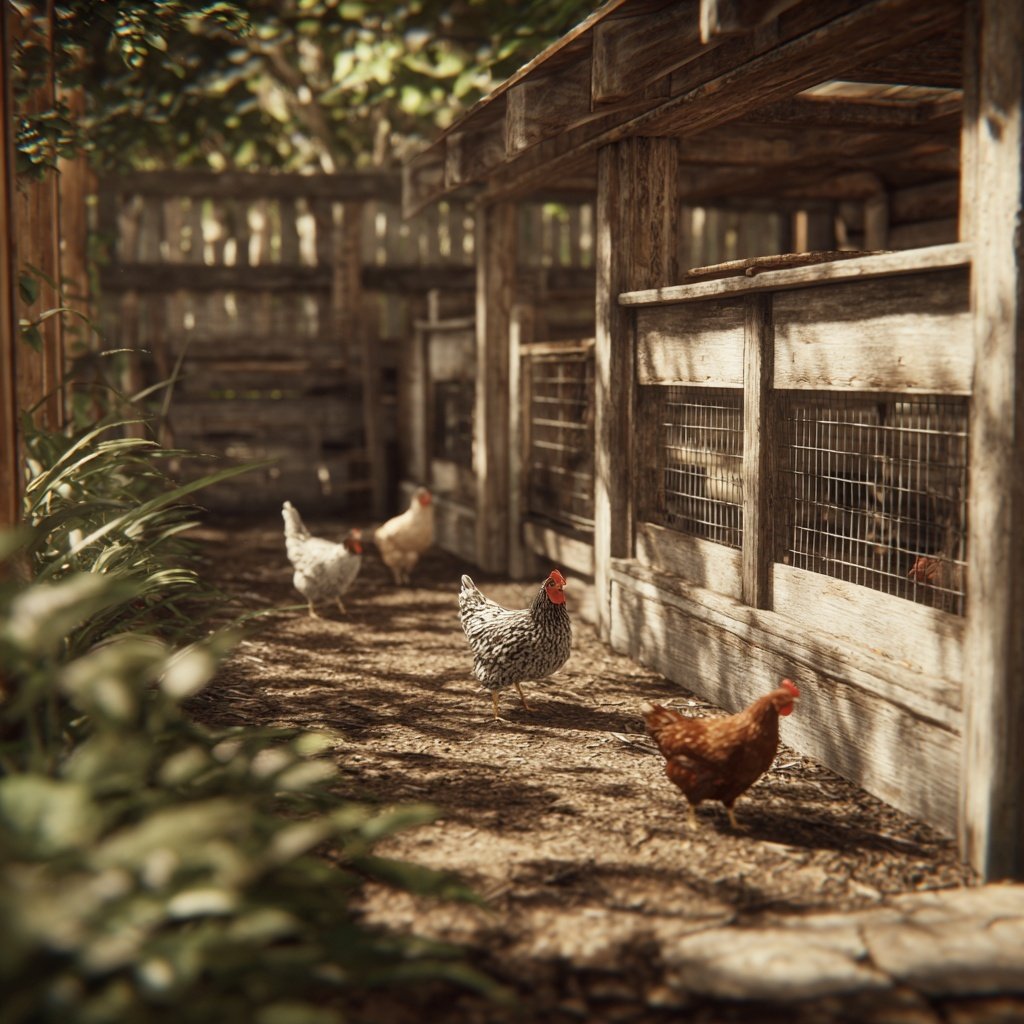
Backyard Walk In Chicken Run
Highlighted under: Simple Collection
When I decided to create a spacious outdoor sanctuary for my chickens, I envisioned a backyard haven where they could roam freely and safely. The 'Backyard Walk In Chicken Run' is a culmination of that vision—a perfect blend of functionality and comfort for my feathered friends. Building it was a labor of love, and I was amazed at how quickly the chickens adapted. This run not only protects them from predators but also encourages them to engage in natural behaviors, all while enriching their lives and mine.
Creating the 'Backyard Walk In Chicken Run' was more than just a project; it was about enhancing the lives of my chickens and making my backyard a lively space. I experimented with different designs and found that including a covered area allowed my birds to enjoy the outdoors even in inclement weather. The sense of freedom it provides is a fantastic way for them to thrive while being safe from predators.
Throughout the process, I learned the importance of using durable materials that can withstand the elements. By choosing sturdy fencing and a solid roof, I've minimized maintenance and maximized the joy my chickens experience. It has become a delightful focal point in my garden, bringing smiles to everyone who visits.
Why You'll Love This Chicken Run
- Safe and spacious environment for your chickens
- Encourages natural behaviors and activities
- Aesthetic addition to your backyard that impresses visitors
Design Considerations
When constructing your Backyard Walk In Chicken Run, it's essential to prioritize safety and comfort. Use sturdy materials such as galvanized wire or welded wire fencing to deter predators. A good rule of thumb is to bury the fencing at least 12 inches deep to prevent determined predators like raccoons from digging under. Additionally, consider adding a roof or partial cover to protect your chickens from aerial threats and harsh weather conditions.
The design should also include ample space for your chickens to roam. Each bird needs about 10 square feet of run space to stay healthy and happy. When designing your run, ensure there are varied zones; include shaded areas, perches, and dust bathing spots. These elements not only enhance the comfort of your flock but also encourage their natural behaviors, such as scratching and foraging.
Maintenance Tips
Regular maintenance of your chicken run is key to keeping your flock healthy. Schedule daily checks for any signs of wear or damage. Look for frayed fencing, uneven surfaces, or potential escape routes. Weekly cleaning of the run is also necessary; remove droppings and replace bedding to prevent the buildup of harmful bacteria that can affect your chickens' health.
During hot weather, ensure your chickens have proper ventilation and access to shade. Install fans if possible, and change out water sources frequently to avoid stagnation. In the winter months, consider adding insulated panels or materials to keep your chickens warm without compromising ventilation. These small adjustments can greatly enhance the comfort of your backyard sanctuary.
Enriching Your Chickens' Lives
To maximize the benefits of your chicken run, introduce enrichment activities. Foraging toys, such as hanging vegetables or scratch grains, can keep your birds engaged and stimulated. This not only promotes physical health but also provides mental stimulation, reducing boredom-related behaviors such as pecking or aggression.
Another great addition is a sand pit for dust bathing; it's crucial for chickens to maintain their feathers and skin health. Set aside an area filled with sand or dirt, and encourage your flock to use it. This not only serves a practical purpose but also adds an element of play that chickens enjoy, creating a happier and more active environment.

Pro Tips
- Consider using a mix of herb plants inside the run to provide shade and natural foraging opportunities for your chickens.
Building Materials
Select high-quality materials for your chicken run to ensure durability. Pressure-treated wood is excellent for constructing the frame, as it's resistant to rot. For fencing, galvanized wire is ideal because it's rust-resistant and provides a strong barrier against predators. Avoid using chicken wire alone, as it's more easily compromised by some animals.
If you live in an area with severe weather, consider using heavy-duty plastic sheeting as a windbreak or even a tarp to shield your chickens from rain and snow. This added protection can help your flock thrive throughout the year, keeping them dry and warm during inclement weather.
Chicken Care and Behavior
Understanding chicken behavior is crucial for their well-being in a run environment. Chickens are social animals; therefore, keep an appropriate flock size to ensure they interact positively. Monitor their pecking order and make adjustments if you notice bullying behaviors, as this can affect their health and happiness.
Being proactive about their health means ensuring they have access to clean water and balanced feed. Distributing food in different areas of the run can encourage natural foraging behaviors. Supplementing their diet with kitchen scraps (such as vegetable peels) can also provide variety and enhance their nutrient intake.
Seasonal Adaptations
Adapting your chicken run for different seasons is vital for maintaining a healthy environment. In the summer, provide plenty of shade and fresh water stations to keep your chickens cool. Adding misters can also help reduce heat stress during peak temperatures, as chickens are sensitive to heat.
During winter, insulate the run to protect your chickens from freezing temperatures. Use straw bales or insulated panels to shield against wind and cold. Ensure there is enough bedding to keep the floor dry, as wet conditions can lead to frostbite on their feet. Careful seasonal planning can make a significant difference in the health and productivity of your flock.
Questions About Recipes
→ What materials are best for a chicken run?
Sturdy fencing, pressure-treated wood, and a solid roof are ideal to protect against predators and weather.
→ How much space do I need for each chicken?
Aim for a minimum of 10 square feet per chicken in the run to ensure they have ample space to roam.
→ Can I use chicken wire for the entire run?
While chicken wire can provide a barrier, it's better to use stronger materials like hardware cloth for added security.
→ How often should I clean the chicken run?
It's recommended to clean the run at least once a week to maintain a healthy environment for your chickens.
Backyard Walk In Chicken Run
Created by: Helena Whitby
Recipe Type: Simple Collection
Skill Level: Intermediate
Final Quantity: 1
Extra Tips
- Consider using a mix of herb plants inside the run to provide shade and natural foraging opportunities for your chickens.
Nutritional Breakdown (Per Serving)
- Calories: 0 kcal
- Total Fat: 0g
- Saturated Fat: 0g
- Cholesterol: 0mg
- Sodium: 0mg
- Total Carbohydrates: 0g
- Dietary Fiber: 0g
- Sugars: 0g
- Protein: 0g