Korean Bibimbap
Highlighted under: Cultural Collection
Korean Bibimbap is a vibrant and flavorful dish that combines rice with a variety of vegetables, meat, and a spicy sauce, creating a delightful meal that is both nutritious and satisfying.
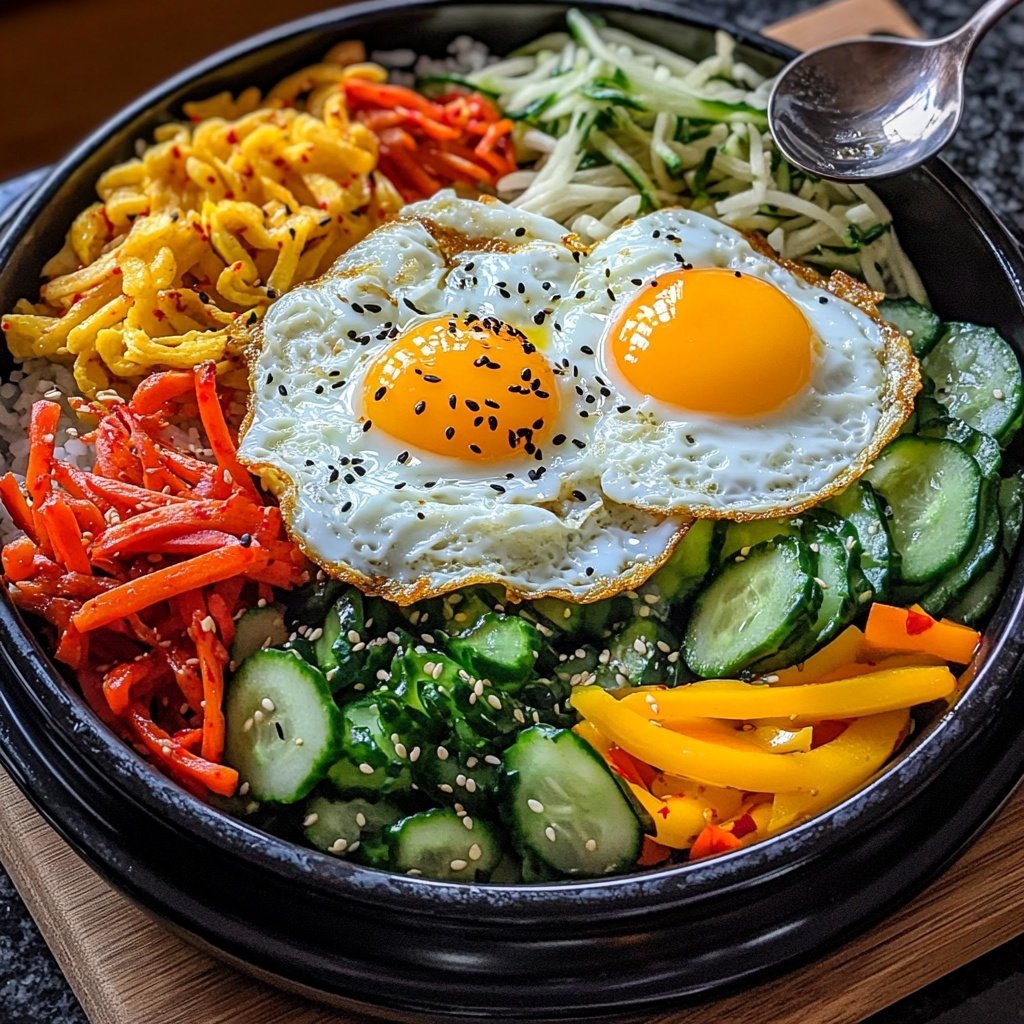
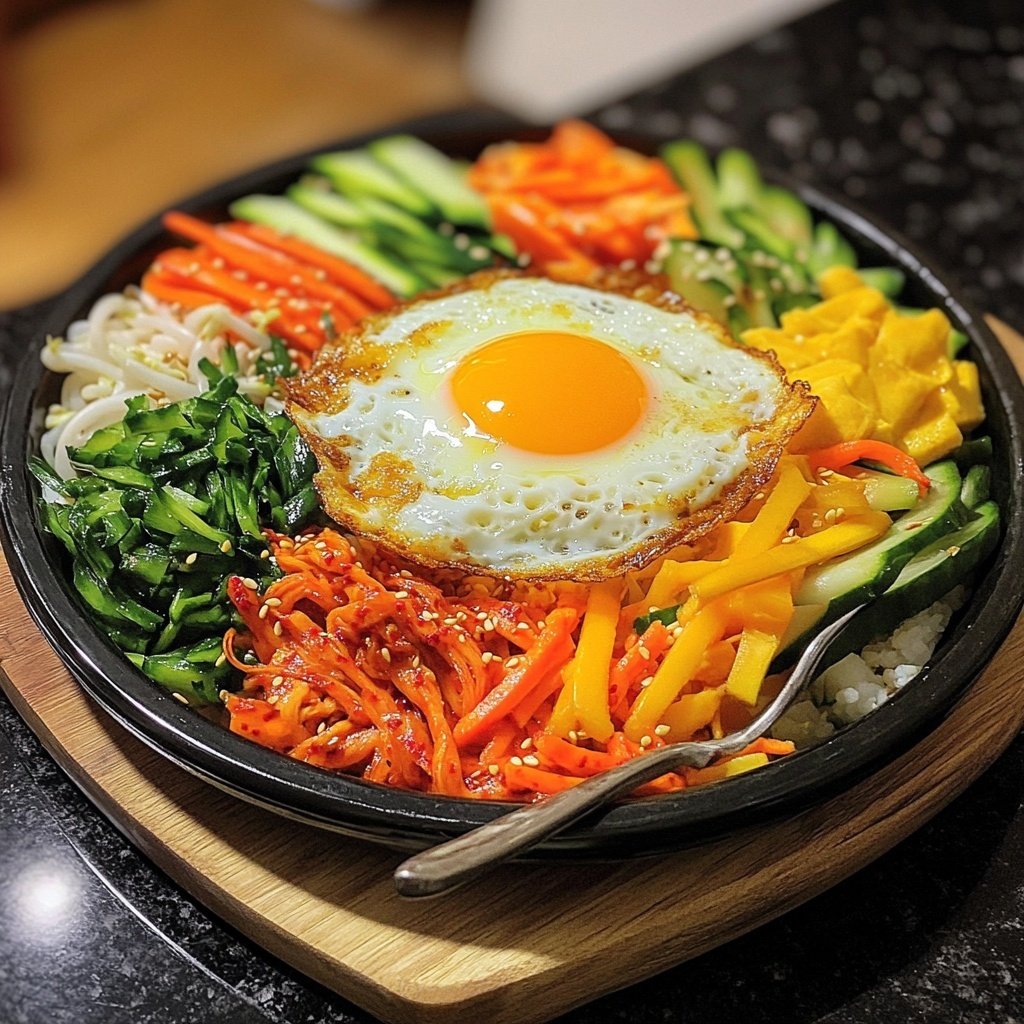
Korean Bibimbap is not just a meal; it's an experience. The combination of fresh vegetables, savory meat, and a spicy gochujang sauce creates a symphony of flavors that is both comforting and exciting. This dish is often served in a hot stone bowl, which adds a delightful crunch to the rice.
Why You'll Love This Recipe
- A beautiful presentation that makes every meal feel special
- Versatile ingredients allowing for customization based on your preferences
- A perfect balance of flavors and textures in each bite
The Heart of Bibimbap
Bibimbap, which translates to 'mixed rice,' is a traditional Korean dish celebrated for its colorful presentation and harmonious blend of flavors. At its core, bibimbap features a base of rice topped with a variety of sautéed and seasoned vegetables, which can include everything from vibrant spinach to crunchy carrots. This diversity not only makes the dish visually appealing but also enhances its nutritional profile, providing a great mix of vitamins and minerals.
What truly sets bibimbap apart is its flexibility. You can customize your bowl to suit your dietary preferences or seasonal ingredient availability. Whether you prefer the rich flavor of marinated beef or the lightness of tofu, bibimbap caters to all tastes. This adaptability allows it to be a go-to meal for any occasion, be it a casual dinner or a festive gathering.
Health Benefits of Bibimbap
One of the standout features of bibimbap is its healthfulness. With a base of rice and an array of fresh vegetables, it's a well-rounded meal that provides carbohydrates, protein, and essential nutrients. The inclusion of ingredients like spinach and bean sprouts not only adds flavor but also boosts the dish's antioxidant content, promoting overall health and well-being.
Additionally, the use of gochujang, a fermented chili paste, introduces probiotics that are beneficial for gut health. This spicy condiment can also enhance your metabolism, making bibimbap not just delicious but a smart choice for those looking to maintain a healthy lifestyle. The balance of flavors and nutrients in this dish makes it a wholesome option for anyone seeking to nourish their body.
Tips for Perfect Bibimbap
To achieve the best bibimbap, focus on the quality of your ingredients. Fresh, seasonal vegetables will elevate the flavor of your dish significantly. Take the time to blanch or sauté each vegetable separately; this allows them to retain their unique textures and flavors, leading to a more enjoyable dining experience. Also, do not rush the cooking process—patience will pay off in taste.
Presentation is key in bibimbap. Arrange your ingredients in a rainbow-like fashion over the rice, making sure to showcase the vibrant colors. This not only enhances the visual appeal but also invites diners to mix the ingredients together, creating a delightful blend of flavors in each bite. Lastly, don’t shy away from experimenting with different proteins and toppings to find your perfect combination.
Ingredients
For the Bibimbap
- 2 cups cooked rice
- 1 cup spinach, blanched
- 1 cup bean sprouts, blanched
- 1 cup carrots, julienned
- 1 cup zucchini, julienned
- 1 cup mushrooms, sliced
- 1 cup ground beef or tofu
- 2 eggs
- 3 tablespoons gochujang (Korean chili paste)
- 2 tablespoons sesame oil
- 2 tablespoons soy sauce
- Sesame seeds for garnish
- Green onions, chopped for garnish
Instructions
Cook the Rice
Prepare 2 cups of rice according to package instructions. Set aside.
Prepare the Vegetables
In a pan, sauté the zucchini, carrots, and mushrooms separately in sesame oil until tender. Set aside.
Cook the Meat
In the same pan, cook the ground beef (or tofu) with soy sauce until fully cooked. Set aside.
Fry the Eggs
In a separate pan, fry the eggs sunny-side up or to your preference.
Assemble the Bibimbap
In a bowl, place a serving of rice and arrange the vegetables and meat on top. Add the fried egg in the center.
Add Sauce and Garnish
Drizzle gochujang and sesame oil over the top and sprinkle with sesame seeds and green onions.
Serve
Mix everything together before eating to enjoy all the flavors combined.
Pro Tips
- For added flavor, serve with kimchi on the side.
Storing Leftovers
If you have leftover bibimbap, storing it properly can help maintain its flavors and textures. To keep the rice and vegetables fresh, store them in an airtight container in the refrigerator. It's best to separate the components, especially the fried egg, to prevent them from becoming soggy. When ready to enjoy, simply reheat the rice and vegetables together in a pan or microwave.
Leftover bibimbap can also be a great base for a new meal. Consider adding a fresh protein or an extra sauce to give it a new life. The versatility of bibimbap lets you get creative, transforming yesterday's dinner into today's lunch without feeling repetitive.
Pairing Suggestions
Bibimbap can be enjoyed on its own, but pairing it with complementary dishes can enhance your dining experience. Traditional Korean sides, known as banchan, such as kimchi or pickled radishes, can add an extra layer of flavor and crunch to your meal. The tangy, spicy notes of kimchi contrast beautifully with the richness of bibimbap, creating a well-rounded feast.
For beverages, consider serving bibimbap with a refreshing iced tea or a light, fruity wine. These options can cleanse the palate between bites, allowing you to appreciate the diverse flavors of the dish fully. Whether you’re hosting a dinner party or enjoying a casual meal at home, thoughtful pairings can elevate your bibimbap experience.
Questions About Recipes
→ Can I make Bibimbap vegetarian?
Absolutely! Simply replace the meat with tofu and add your favorite vegetables.
→ What type of rice should I use?
Short-grain rice is traditional for Bibimbap, but you can use any rice you prefer.
→ Is Gochujang spicy?
Yes, Gochujang is spicy, but it can also add a subtle sweetness. Adjust the amount to your taste.
→ Can I prepare Bibimbap in advance?
You can prepare the components in advance, but it's best to assemble and serve fresh to maintain texture.
Korean Bibimbap
Created by: Helena Whitby
Recipe Type: Cultural Collection
Skill Level: Intermediate
Final Quantity: 4 servings
What You'll Need
For the Bibimbap
- 2 cups cooked rice
- 1 cup spinach, blanched
- 1 cup bean sprouts, blanched
- 1 cup carrots, julienned
- 1 cup zucchini, julienned
- 1 cup mushrooms, sliced
- 1 cup ground beef or tofu
- 2 eggs
- 3 tablespoons gochujang (Korean chili paste)
- 2 tablespoons sesame oil
- 2 tablespoons soy sauce
- Sesame seeds for garnish
- Green onions, chopped for garnish
How-To Steps
Prepare 2 cups of rice according to package instructions. Set aside.
In a pan, sauté the zucchini, carrots, and mushrooms separately in sesame oil until tender. Set aside.
In the same pan, cook the ground beef (or tofu) with soy sauce until fully cooked. Set aside.
In a separate pan, fry the eggs sunny-side up or to your preference.
In a bowl, place a serving of rice and arrange the vegetables and meat on top. Add the fried egg in the center.
Drizzle gochujang and sesame oil over the top and sprinkle with sesame seeds and green onions.
Mix everything together before eating to enjoy all the flavors combined.
Extra Tips
- For added flavor, serve with kimchi on the side.
Nutritional Breakdown (Per Serving)
- Calories: 500 kcal
- Total Fat: 18g
- Saturated Fat: 4g
- Cholesterol: 160mg
- Sodium: 800mg
- Total Carbohydrates: 70g
- Dietary Fiber: 5g
- Sugars: 5g
- Protein: 20g